
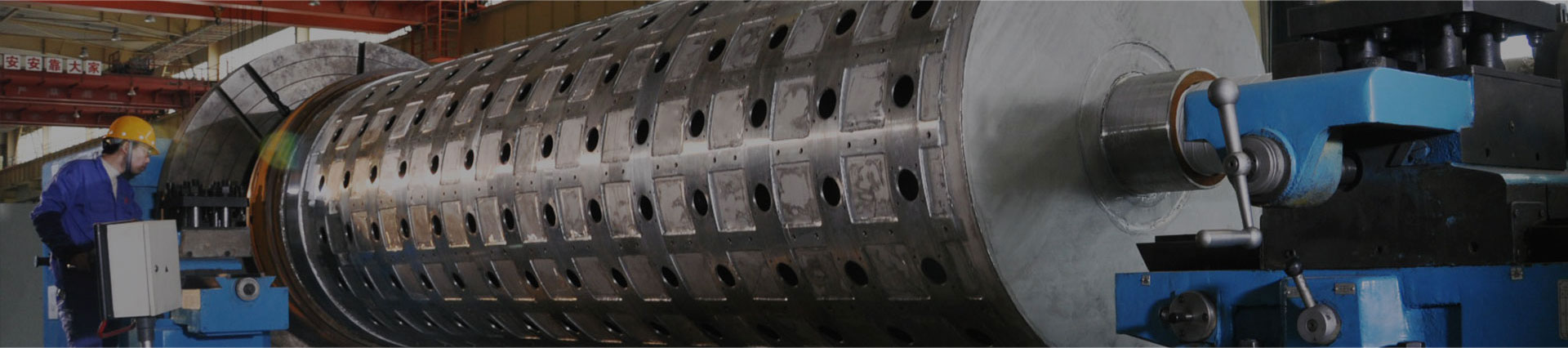
Drum Pulper for Waste Paper Recycling
Choosing a pulper starts with the waste paper you need to process. The mix of paper grades, contamination level, required throughput, and final paper quality all influence which pulping system will suit your mill.
A drum pulper combines continuous fiber disintegration with coarse screening. It prepares recovered paper for further stock treatment by separating usable fibers from larger unwanted materials. Understanding how it works, and where its limitations lie, helps you select equipment that fits the entire recycling solution line.
Planning a waste paper pulping line? Send your raw-material details and production requirements to discuss drum pulper selection and the equipment needed around it.
What Is a Drum Pulper?
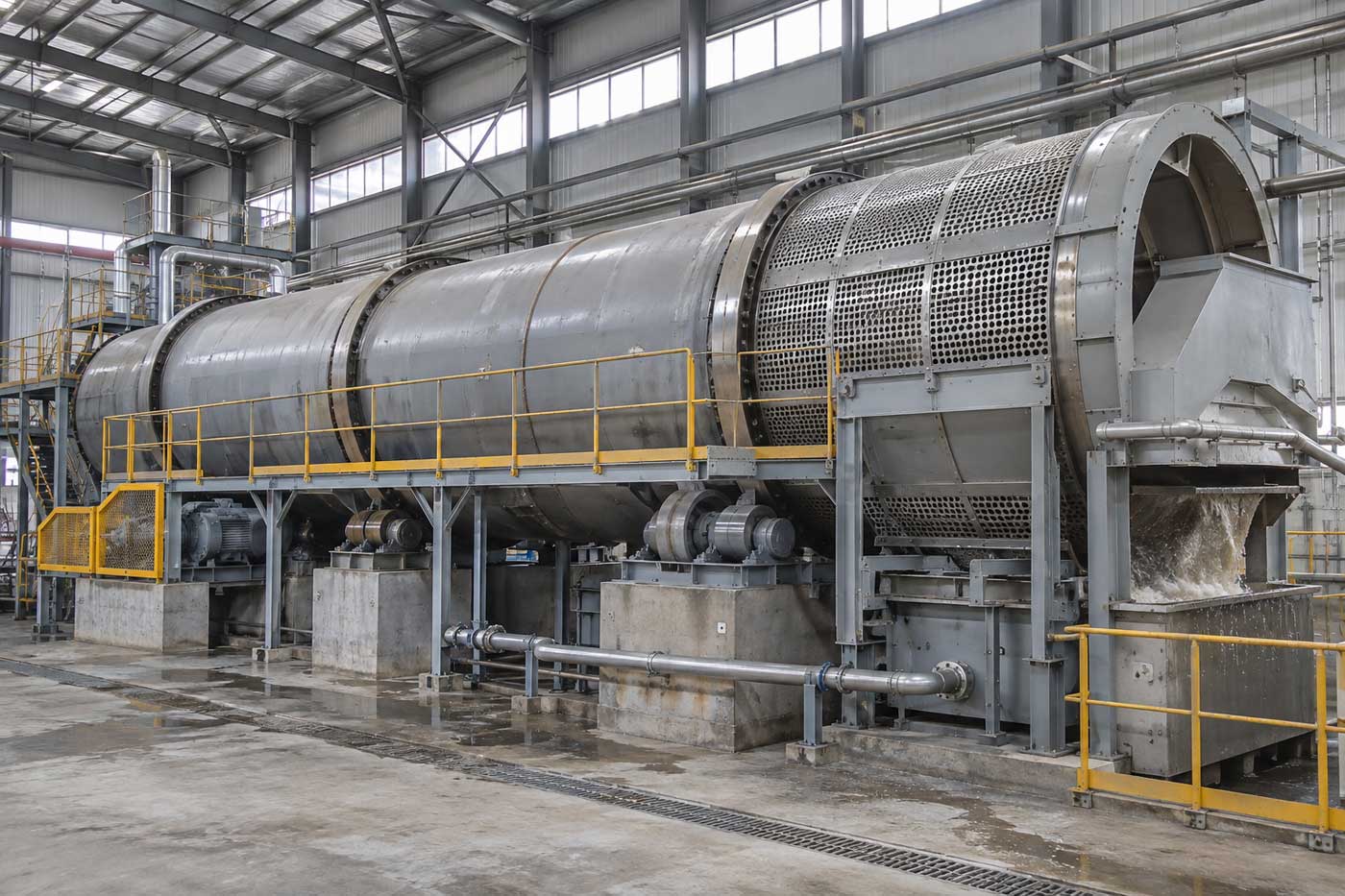
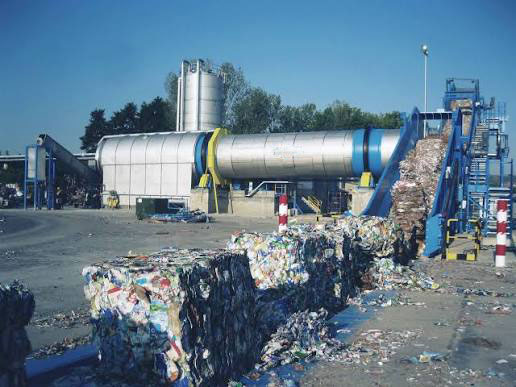
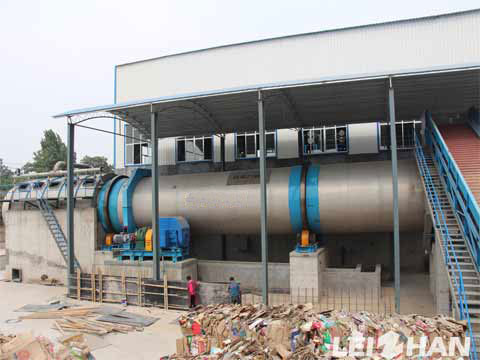
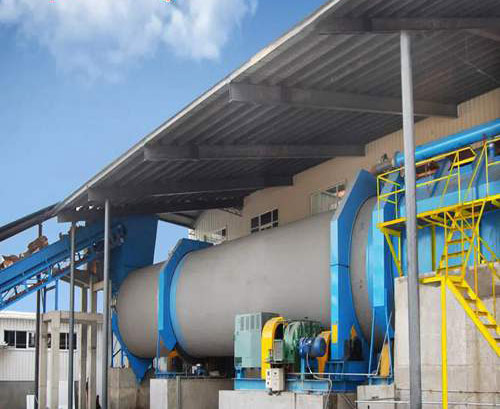
A drum pulper is a rotating cylindrical machine used to break down recovered paper in water and separate coarse contaminants from the resulting pulp.
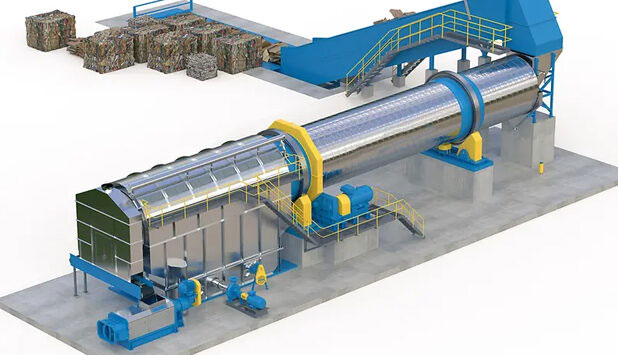
Inside the drum, wetted paper is repeatedly lifted and dropped. This tumbling action gradually loosens the paper structure and releases fibers. The material then moves into a screening section, where fiber suspension passes through perforations while larger rejects travel toward the discharge end.
By combining these functions, the drum pulper handles both the initial pulping stage and an early stage of contaminant separation. The accepted pulp still needs downstream treatment appropriate to the finished paper grade.
How Does a Drum Pulper Work?
The process takes place in two main sections: a pulping zone and a screening zone.
Feeding and Wetting
Recovered paper enters the drum through a feeding system. Water wets the paper and helps establish the operating consistency. Feed rate and water addition need to remain coordinated as the incoming material changes.
Lifting and Tumbling
As the drum rotates, internal lifting elements raise the wetted material and allow it to fall. Repeated tumbling and friction help separate the paper into fibers while limiting the fragmentation of larger contaminants.
Screening and Fiber Recovery
The material advances into the screening section. Dilution and wash water help carry released fibers through the screen openings into the stock collection system.
Reject Discharge
Material too large to pass through the screen continues toward the reject outlet. Washing in this section helps recover fibers that would otherwise leave with the rejects.
Applications of Drum Pulper in Waste Paper Recycling
The suitability of a drum pulper depends on the actual furnish—the mixture of recovered paper entering the line. A paper-grade name alone is not enough to determine operating conditions.
| Recovered paper type | Main processing considerations |
|---|---|
| Old corrugated containers (OCC) | Assess tape, plastic wrapping, moisture variation, and other contaminants alongside the required throughput. |
| Old newspapers and magazines | Consider the required brightness and cleanliness, and whether the downstream process includes deinking. |
| Mixed office waste | Evaluate variations in paper quality, printed material, adhesives, and non-paper components. |
| Mixed recovered paper | Establish how much the composition changes between deliveries and how those changes affect feeding and reject handling. |
For coated, laminated, or wet-strength materials, assess repulpability separately. Trials may be needed to establish whether sufficient fiber can be recovered under the proposed conditions.
A useful application review should identify both the incoming material and the intended product. A line making recycled packaging paper may require a different stock-preparation arrangement from one producing higher-brightness paper.
Discuss Your Pulper Selection →
Benefits and Operating Limitations
Gentle Fiber Disintegration
The tumbling action helps release fibers without relying on intensive cutting. Keeping larger contaminants relatively intact can make them easier to separate during screening.
Continuous Processing
Continuous feed, stock discharge, and reject removal can support a steadily operating recycling line. Real performance depends on consistent feeding and adequate capacity in the surrounding equipment.
Combined Pulping and Coarse Screening
Integrating these functions provides early removal of coarse unwanted material. This helps prepare the stock for subsequent cleaning and screening stages.
Important Operating Limits
A drum pulper does not complete the entire cleaning process. Fine contaminants, small adhesive particles, and dispersed ink may need dedicated downstream treatment.
Feed preparation also remains important. The ability to handle contaminated recovered paper does not mean every unwanted object should enter the drum.
When reviewing a proposal, please check the following aspects.
- Space for the drum, feeding system, stock collection, and maintenance access.
- Water availability and the process-water balance.
- Reject volume and the capacity of reject handling equipment.
- Performance with the expected range of incoming paper.
- Compatibility with downstream stock-preparation equipment.
Drum Pulper vs. Conventional Hydrapulper
For this comparison, “conventional hydrapulper” means a vat-type pulper with a rotor. These machines are available in different consistencies and batch or continuous arrangements, so comparisons should identify the exact system being considered.
| Selection factor | Drum pulper | Vat-type rotor pulper |
|---|---|---|
| Main pulping action | Lifting, tumbling, and friction inside a rotating drum. | Rotor-generated circulation and mechanical action inside a vat. |
| Operating arrangement | Commonly configured for continuous processing. | Batch or continuous, depending on design. |
| Coarse separation | Includes a screening section within the drum arrangement. | Uses extraction and detrashing equipment suited to the design. |
| Contaminant handling | Gentle action aims to limit fragmentation of larger contaminants. | Behavior depends on rotor design, consistency, operating time, and detrashing arrangement. |
| Layout review | Consider drum length, feed access, stock collection, and reject discharge. | Consider vat dimensions, extraction equipment, detrashing, and maintenance space. |
| Economic comparison | Assess the complete installed system and operating requirements. | Assess the same scope, including auxiliary equipment and operating requirements. |
The right choice depends on your furnish and production needs. Ask suppliers to compare both alternatives using the same incoming material, output requirement, and pulp-quality target.
Energy comparisons should also use the same system boundary. Comparing one machine’s motor rating with another system’s total electrical demand will not give a meaningful result.
How to Select a Drum Pulper?
Define the Incoming Material
Provide the main recovered-paper grades and their approximate proportions. Include photographs or representative samples where possible, especially when contamination varies significantly.
Specify Capacity on a Clear Basis
State whether the required tonnes per day refer to incoming recovered paper or accepted pulp output. Also clarify moisture basis, operating hours, and expected reject content.
For example, a requirement of “300 tonnes per day” needs further explanation before a supplier can size the equipment accurately.
Describe the Finished Paper
Identify the intended paper grade and the required stock quality. This helps determine the role of the pulper within the broader screening, cleaning, and possible deinking process.
Check Utilities and Site Conditions
Supply available installation dimensions, electrical conditions, process-water information, and any restrictions on foundations or equipment access.
Review the Entire Line
Confirm that conveyors, chests, pumps, screens, and reject handling equipment can accommodate the proposed operating rate.
Agree on Performance Verification
Where furnish quality is uncertain, discuss material trials. Define how throughput, accepted-pulp quality, reject losses, and energy use will be evaluated before finalizing the equipment selection.
Technical Specifications and Cost Factors
| Model | Drum diameter (mm) | Capacity (t/d) | Pulping consistency (%) | Motor power (kW) |
|---|---|---|---|---|
| ZG2500 | 2,500 | 70–120 | 14–18 | 132–160 |
| ZG2750 | 2,750 | 140–200 | 14–18 | 160–200 |
| ZG3000 | 3,000 | 200–300 | 14–18 | 280–315 |
| ZG3250 | 3,250 | 240–400 | 14–18 | 315–400 |
| ZG3500 | 3,500 | 400–600 | 14–18 | 560–630 |
| ZG3750 | 3,750 | 550–800 | 14–18 | 630–800 |
| ZG4000 | 4,000 | 750–1,000 | 14–18 | 800–1,000 |
| ZG4250 | 4,250 | 1,000–1,400 | 14–18 | 1,000–1,400 |
Reference data only; confirm the selected model, capacity basis, and supplied configuration in the technical proposal.
What Affects Drum Pulper Price?
A useful quotation should define the complete scope of supply. Cost considerations include the following issues.
- Selected drum size and drive configuration.
- Feeding and reject handling equipment.
- Controls, instrumentation, and electrical scope.
- Stock collection and associated equipment.
- Transport arrangements and site assembly.
- Installation, commissioning, and spare parts.
Compare quotations against a common equipment list. A lower machine price may exclude items that another proposal includes.
Motor power in kW is also different from specific energy consumption in kWh per tonne. To assess operating costs, request the expected energy use under stated furnish and production conditions.
Frequently Asked Questions
Can a drum pulper process OCC?
Drum pulping is used in recovered-fiber systems processing OCC. Selection should account for the actual furnish, contamination level, required throughput, and downstream process.
Can it remove all plastics and adhesives?
No. Coarse screening can separate larger materials, but removal depends on their size and behavior. Smaller plastic fragments and adhesive contaminants may require additional treatment.
Does a drum pulper replace a deinking system?
No. Pulping prepares the recovered paper for further treatment. Where deinking is required, the line needs suitable equipment to separate ink from the stock.
Is a drum pulper the same as a drum screen?
No. A drum pulper includes a fiber-disintegration function. A drum screen primarily separates material by screening and does not provide the same pulping duty.
How should drum pulper capacity be selected?
Start with the incoming recovered-paper quantity, operating schedule, moisture basis, and expected reject content. Then check that the proposed equipment can deliver the required accepted-pulp output.
What information is needed for a quotation?
Provide your waste-paper type, target capacity, finished paper grade, daily operating hours, and available installation space. Photos or samples of the incoming material can help clarify the processing requirements.