WASTE PAPER PREPARATION
A high consistency pulper breaks recovered paper into a fiber suspension before screening, cleaning and deinking. It is particularly useful where the mill needs to disperse printed paper and detach ink while limiting unnecessary fragmentation of plastic film and other contaminants.
Request a High Consistency Pulper Quote →
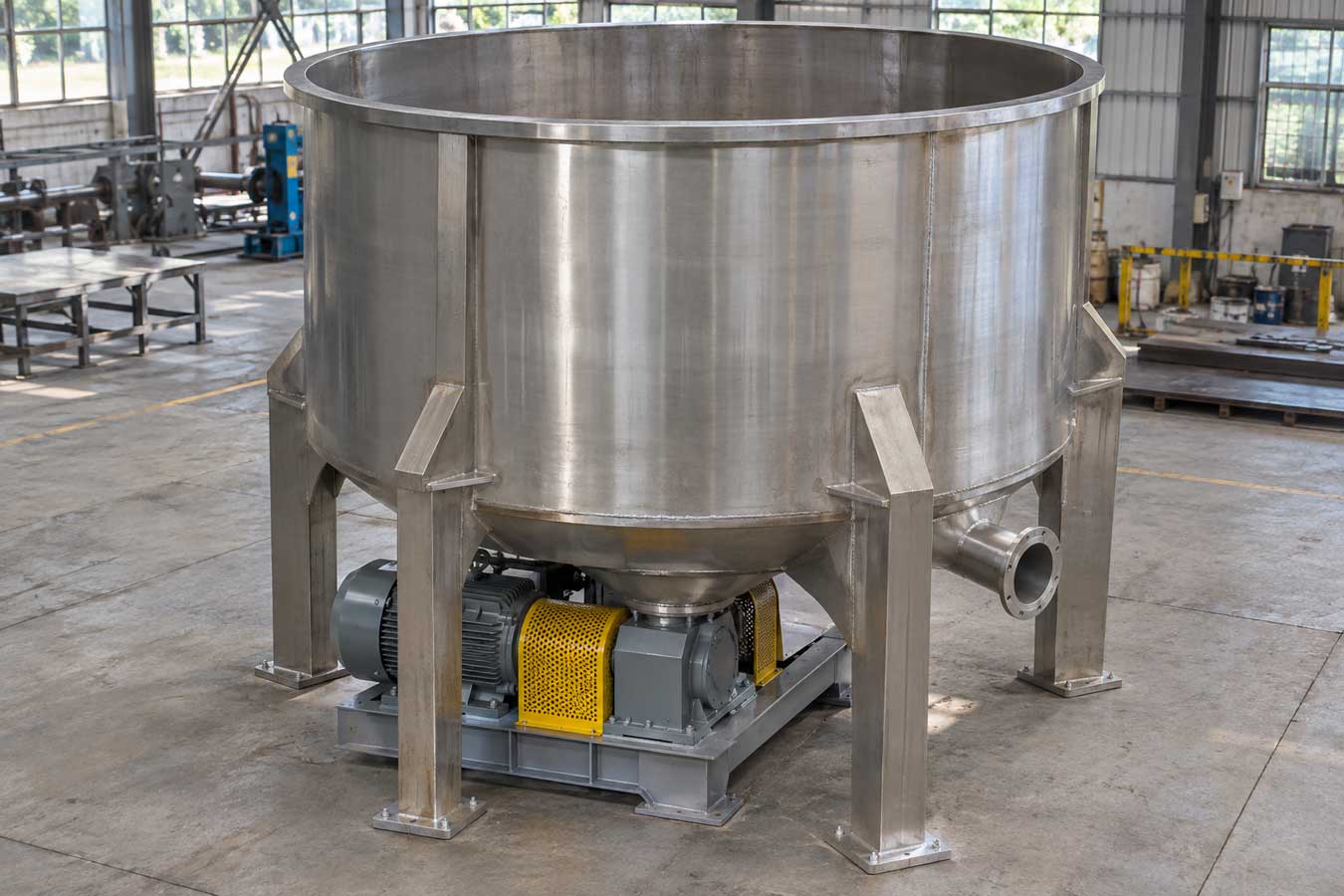
CNBM Anyang Machinery offers high consistency pulping equipment for waste paper preparation, with selection based on the furnish, required output and downstream process. Selecting the right pulper starts with your raw material and production requirements. Paper grade, contamination level and the required pulp quality all influence the equipment and process configuration.
Send your raw material type, required daily capacity and finished paper grade. Include photographs of the feedstock if available. We will customize pulper for you.
Why Choose High Consistency Pulping
Fiber separation through stock circulation
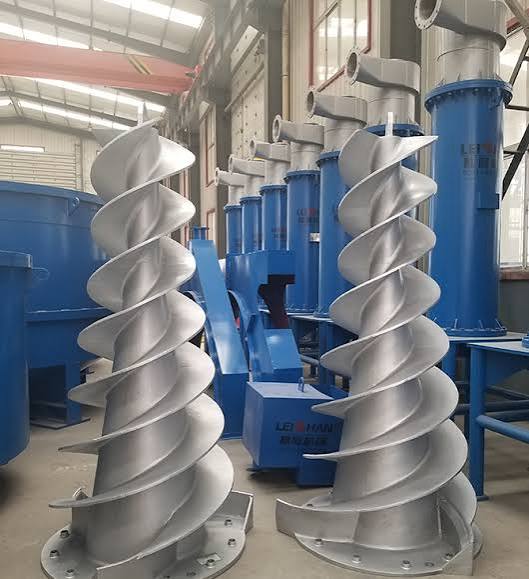
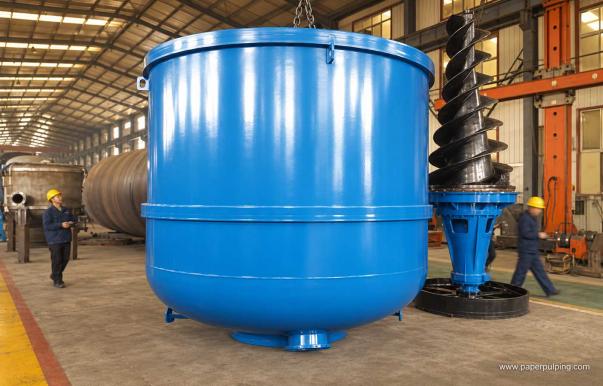
At high consistency, contact between fibers contributes to the breakup of paper sheets and fiber bundles. A helical rotor keeps the stock moving through the working zone. The practical aim is a well-dispersed batch that can pass to the next stage without extending the cycle simply to chase the last difficult fragments.
A useful starting point for deinking
Printed recovered paper needs both ink detachment and ink removal. High consistency pulping can provide the mixing and fiber contact needed for detachment, together with the selected deinking chemistry. Flotation or washing equipment then removes the released ink downstream. This distinction matters when comparing a pulper quotation with a complete deinking line.
Controlled treatment of contaminants
Plastic films, tapes and adhesives create more work for downstream equipment when broken into small pieces. Suitable rotor action and a controlled pulping cycle help limit that breakdown. Raw material sorting and an appropriate discharge and detrashing arrangement remain important; a pulper cannot compensate for every contaminant entering the line.
Batch settings that suit changing furnish
Recovered paper quality changes between deliveries. Batch operation gives the mill a defined point at which to adjust the furnish mix, water charge and treatment time. Temperature control and chemical dosing can be included in the system scope where the process requires them.
Applications of High Consistency Pulper
Mixed office waste and printed paper
Office papers and printing waste are relevant applications where the production route includes deinking. Furnish evaluation should consider toner, fillers, adhesive labels and plastic covers, as these affect the cleaning duty after pulping. Our mixed office waste recycling solution explains the broader process.
Old newspapers and magazines
High consistency pulping can form part of a deinking system handling newspaper and magazine furnish. The proportion of coated paper, filler content and printing method influence the treatment required. Final brightness and dirt levels depend on the complete line, including flotation, washing and any further treatment.
Book paper and selected production waste
Book paper and suitable mill or converting waste can be assessed for batch pulping. Bindings, covers, wet-strength treatments and laminates need particular attention. For difficult furnish, a sample trial is more useful than selecting solely from a nominal capacity table.
Packaging grades
For OCC and other packaging furnish, compare high consistency batch pulping with a low consistency or drum pulping system. Contaminant load, production rate, fiber recovery and operating pattern should drive the choice. Deinking is not automatically required for brown packaging grades.
ZDSG High Consistency Pulper Specifications
|
Model |
Effective volume (m³) |
Pulping consistency (%) |
Listed capacity (t/d) |
Motor power (kW) |
|
ZDSG5 |
5 |
10–15 |
20–25 |
110 |
|
ZDSG10 |
10 |
10–15 |
40–50 |
220 |
|
ZDSG15 |
15 |
10–15 |
60–70 |
310 |
|
ZDSG20 |
20 |
10–15 |
80–100 |
400 |
|
ZDSG25 |
25 |
10–15 |
130–185 |
450 |
|
ZDSG30 |
30 |
10–15 |
160–225 |
500 |
|
ZDSG35 |
35 |
10–15 |
185–260 |
560 |
These are reference model specifications for preliminary selection. Achievable output depends on furnish, moisture, pulping consistency, batch time, discharge time and daily operating hours.
How the Pulper Works
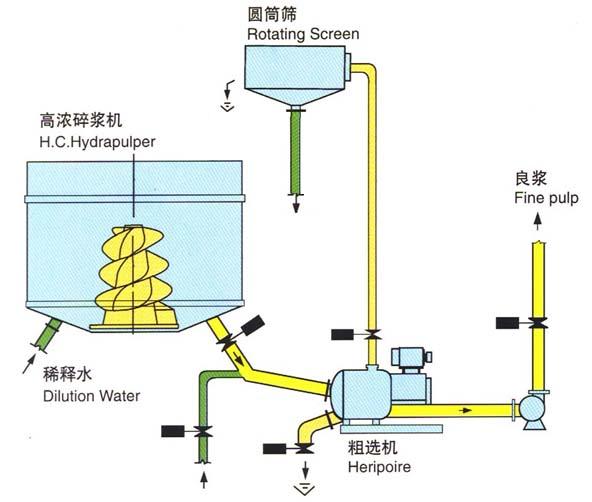
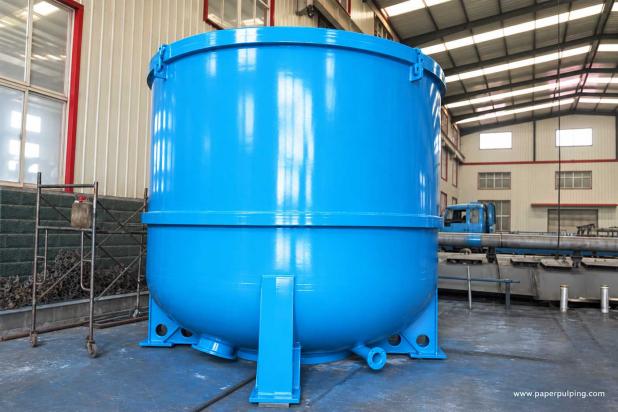
In a typical batch system, paper and water are charged into the vat. A helical rotor circulates the stock, helping the wetted paper break down through mechanical action and friction between fibers. Process chemicals may be added where required.
After the pulping stage, the stock is diluted and discharged for further treatment. Loading, pulping, dilution and discharge all form part of the batch cycle, so equipment selection should consider the complete cycle rather than pulping time alone.
Where It Fits in the Production Line
A representative deinking route starts with sorting and feeding, followed by high consistency pulping and coarse contaminant removal. Screening, cleaning and deinking stages are then arranged around the furnish and required pulp quality. Thickening and storage prepare the stock for subsequent use.
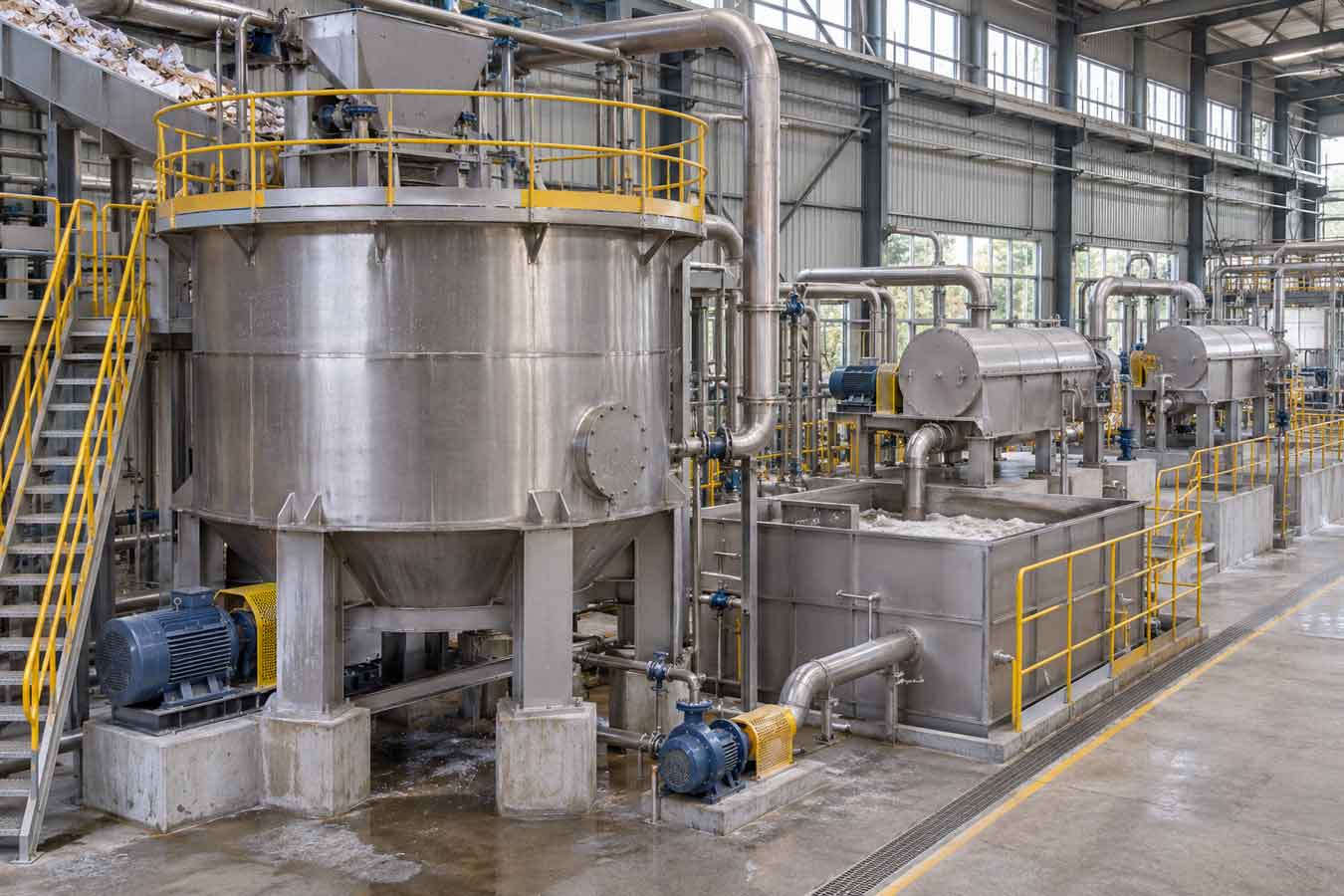
For an existing mill, the most useful starting information is often the current process flow and the equipment causing the bottleneck. Check whether the stock chest can absorb batch discharge, whether pumps can handle the discharge conditions, and whether downstream screens have enough capacity.
Suitable pulp screening equipment should be chosen for the contaminants and quality targets of the line. A disc filter can serve a suitable thickening or white-water recovery duty. These machines should be selected for their own operating conditions rather than simply matched to the pulper motor size.
High Consistency Pulper Compared with Other Pulping Options
High consistency batch pulper
When to consider it
Furnish requiring controlled batch treatment and ink detachment
Main selection question
Can feeding, pulping and discharge meet the required daily output?
Low consistency pulper
When to consider it
Lines suited to lower-consistency pulping and their associated extraction arrangements
Main selection question
How will contaminants be removed during operation?
Drum pulper
When to consider it
Recovered-paper systems suited to continuous drum pulping and coarse separation
Main selection question
Does the furnish, throughput and available installation space suit a drum system?
Compare the complete pulping section on the same production and pulp-quality basis. A lower purchase price for the pulper may leave more expenditure in feeding, detrashing or downstream treatment.
Selecting the Right Model
-
01
Define the production basis
Start with the dry fiber or paper input required per day, the available operating hours and the intended finished pulp output. These are different quantities when the raw material contains moisture, fillers and contaminants. State which one is being used in the quotation.
-
02
Describe the furnish
Next, describe the furnish. Photos are helpful, but a representative sample is better for coated, laminated, wet-strength or heavily contaminated material. Include the expected mix of paper grades and the amount of non-paper material.
-
03
Check the installation
Finally, check the installation. Allow for maintenance access, lifting arrangements, the feeding route and the receiving chest, as well as the footprint of the vat itself. Supply voltage, frequency, water availability and the required control interface should be settled early.
Request a High Consistency Pulper Quote
Send your waste paper grades, daily capacity target, operating hours, intended paper or pulp grade and project location. For an upgrade, include your current flow diagram and the problem you want to solve. Our team can use that information to discuss the model range, system connections and quotation scope.
Request a High Consistency Pulper Quote →
Operation and Maintenance
Consistent batches start with controlled charging. Changes in paper moisture and grade can alter the actual consistency even when the apparent volume of incoming material looks similar. Record batch mass, water addition, treatment time and motor load so that operators can distinguish a furnish change from a mechanical problem.
Routine inspection should follow the supplied manual and cover rotor wear, seals, bearings, drive components and discharge equipment. A gradual increase in batch time or motor load can indicate wear, accumulation or a change in raw material. Include access and lifting provisions in the installation plan so that these checks do not become difficult once piping is in place.
Equipment Support and Quality Documentation
Anyang Machinery supplies pulp-making equipment and supports projects from equipment selection through installation and after-sales service. For a high consistency pulper project, discuss the process duty together with the mechanical and electrical scope, rather than treating the vat as an isolated purchase.
Agree the general arrangement, material specification, motor data, inspection records, operating manual and spare-parts list as part of the order documentation. Where the destination requires particular electrical or machine-safety provisions, identify those requirements before the design is finalized. Applicable certificates should correspond to the equipment and current supply scope.
Operating cost should be assessed using energy per tonne of accepted pulp, chemical use, reject losses and the water balance of the complete section. Higher pulping consistency alone does not establish a guaranteed saving for the entire mill. Stable raw material preparation and well-matched reject recovery can be as important as the pulper selection.
Frequently Asked Questions
Does this machine remove all the ink from waste paper?
No. Pulping helps detach ink from fibers. Downstream flotation or washing removes the released ink. The required stages depend on the printed furnish and the final pulp specification.
Is the ZDSG pulper a continuous machine?
The high consistency arrangement described here operates in batches. A receiving chest and suitable downstream equipment can help supply the rest of the line between discharge cycles. Continuous production planning must account for that batch cycle.
Can it process wet-strength or laminated paper?
Suitability depends on the treatment and construction of the paper. Some grades require different chemistry, longer treatment or another pulping route. Send a sample and the intended output requirements before selecting a model.
What determines the pulping time?
Paper grade, moisture, consistency, temperature where controlled, rotor action and the required degree of disintegration all matter. A fixed cycle time should not be promised without an agreed furnish and production basis.
Can it replace an existing low consistency pulper?
Possibly, but it is not normally a motor-and-vat substitution alone. Check feeding, dilution, batch discharge, chest volume, contaminant handling and downstream capacity before deciding whether the change is suitable.
What affects the price?
Vat size and drive power are only part of the cost. Materials, discharge and detrashing equipment, controls, access structures, electrical requirements and the installation scope also affect the quotation. Compare offers against the same equipment list.